
Heart Healthy Cooking Techniques
Master the essential methods that preserve nutrients, enhance flavour, and support cardiovascular wellness. Discover how the Clean Plate Method transforms your kitchen into a space for mindful, nutritious cooking.
The information on this site is for educational purposes only and does not constitute medical advice. Always consult a qualified healthcare professional before making health decisions.
Why Cooking Methods Matter
Nutrient Preservation
Gentle cooking techniques protect water-soluble vitamins and minerals that support heart health and overall wellness.
Flavour Development
Proper techniques enhance natural tastes without relying on excess salt, sugar, or unhealthy fats.
Cardiovascular Support
Methods that limit unhealthy fats and preserve beneficial compounds help maintain healthy cholesterol and blood pressure profiles.
Kitchen Mastery
Understanding technique builds confidence and transforms daily cooking into an enjoyable, mindful practice.
Core Techniques Explained
Steaming
No oil required
Steaming cooks food using hot steam, preserving colour, texture, and heat-sensitive nutrients. Ideal for vegetables, fish, and grains. Water vapour gently penetrates food while keeping it moist and tender without added fats. This method is particularly effective for cruciferous vegetables like broccoli and brussels sprouts.
Best for: Leafy greens, root vegetables, delicate fish, rice, and legumes.
Poaching
Gentle simmering in liquid
Poaching involves cooking food in gently simmering liquid—water, broth, or wine—at temperatures below boiling. This delicate method produces tender results while infusing subtle flavours from the cooking liquid. Perfect for proteins and fruits that benefit from gentle heat. The resulting broth can be reused as a nutrient-rich base.
Best for: Chicken, fish, eggs, and pears. Cooking temperature: 160–180°C (65–80°C water).
Grilling
High heat, minimal oil
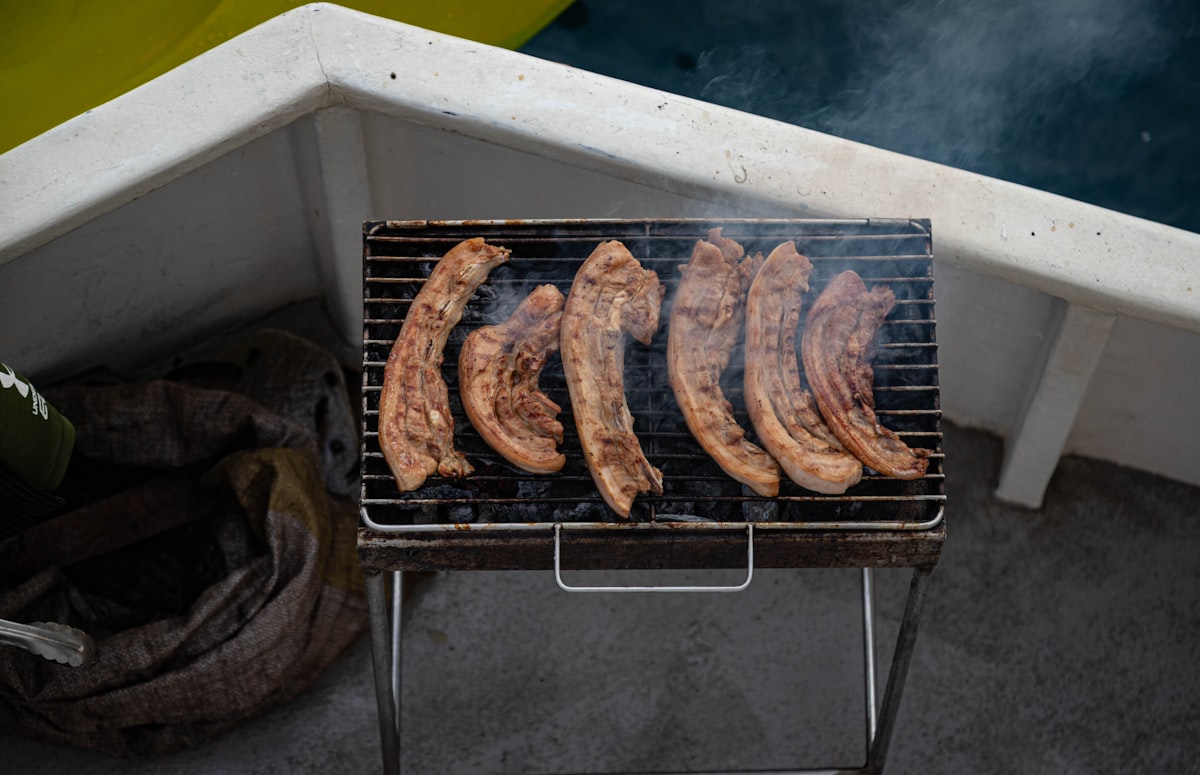
Grilling uses direct or indirect heat from below, creating a charred crust while keeping interiors juicy. The high heat develops complex flavours through the Maillard reaction without requiring added oils. Excess fats drip away during cooking, naturally reducing calorie density. Whether using gas, charcoal, or indoor grills, the technique adds character to vegetables and lean proteins.
Best for: Lean meats, fish, Mediterranean vegetables, and stone fruits. Temperature: 200–260°C.
Roasting
Dry heat in the oven
Roasting surrounds food with hot, dry air in the oven, caramelising exteriors while cooking interiors evenly. This technique brings out natural sweetness in vegetables and creates a golden crust on proteins. When done with minimal oil and at moderate temperatures, roasting is an excellent way to prepare large quantities for meal planning. The browning process develops hundreds of flavour compounds.
Best for: Root vegetables, cauliflower, bell peppers, poultry, and whole fish. Temperature: 180–220°C.
Stir-frying
Quick, high-heat cooking with minimal oil
Stir-frying combines high heat, rapid movement, and small, evenly-sized pieces for speedy cooking that locks in texture and nutrients. Using just a small amount of heart-healthy oil (olive, avocado, or sesame) and constant motion prevents sticking and burning. This technique is ideal for busy weeknights—meals cook in minutes while retaining vibrant colours and crisp-tender textures.
Best for: Mixed vegetables, thin-sliced proteins, tofu, and seafood. Temperature: 190–230°C, constant motion required.
Braising
Slow cooking with moisture
Braising begins with a quick sear to develop flavour, then continues with low, moist heat for extended periods. The long, gentle cook time breaks down connective tissues, making economical cuts tender while infusing deep, complex flavours. Braising is perfect for batch cooking and creates rich, naturally flavourful dishes without relying on cream or heavy sauces. One braise often yields several meals.
Best for: Tough cuts, beans, whole vegetables, and stews. Temperature: 160–180°C, 1–3 hours cooking time.
The Clean Plate Method Philosophy
Our approach combines time-tested techniques with modern nutrition insights. Every method prioritizes whole foods, minimal processing, and maximum flavour with minimal added fat.
Select Whole Ingredients
Start with unprocessed foods: fresh vegetables, legumes, whole grains, and high-quality proteins. Avoid pre-made sauces and overly refined products.
Choose Gentle Methods
Match ingredients to techniques that preserve nutrients and flavour. Steaming leafy greens, poaching fish, and roasting root vegetables are easier than you think.
Minimize Added Fats
Use heart-healthy oils sparingly—olive oil, avocado oil, and sesame oil. Many techniques require little to no added fat when done correctly.
Season Thoughtfully
Rely on fresh herbs, spices, citrus, and vinegars instead of salt and sugar. Proper technique highlights natural flavours, reducing the need for heavy seasoning.
Quick Technique Comparison
| Technique | Oil Needed | Time |
|---|---|---|
| Steaming | None | Quick |
| Poaching | None | Moderate |
| Grilling | Minimal | Quick |
| Roasting | Minimal | Moderate |
| Stir-frying | 1–2 tsp | Quick |
| Braising | Minimal | Long |
Equipment Essentials
Steamer Basket
A collapsible basket that fits inside any pot, or a dedicated steamer pan. Enables cooking vegetables, grains, and proteins with just hot water below. Cost-effective and space-saving.
Heavy-Bottomed Skillets
Stainless steel or cast iron pans distribute heat evenly, reducing sticking and burning. Essential for grilling, stir-frying, and searing. One 28–30 cm and one 20–23 cm cover most needs.
Dutch Oven
A large, heavy pot with a lid, ideal for braising and batch cooking. Retains heat evenly and transitions from stovetop to oven. Cast iron or enamelled cast iron lasts a lifetime.
Baking Sheets
Heavy-duty, rimmed sheets for roasting vegetables and proteins. Invest in quality stainless steel—cheap sheets warp and cause uneven cooking. One or two are sufficient.
Instant-Read Thermometer
A digital thermometer removes guesswork from cooking proteins. Ensures food is cooked safely without overcooking. Inexpensive and invaluable for consistency.
Sharp Knives
A chef's knife, paring knife, and serrated blade make prep enjoyable and safe. Dull knives require more pressure and slip easily. Sharpen regularly or use a honing steel weekly.
Technique Gallery
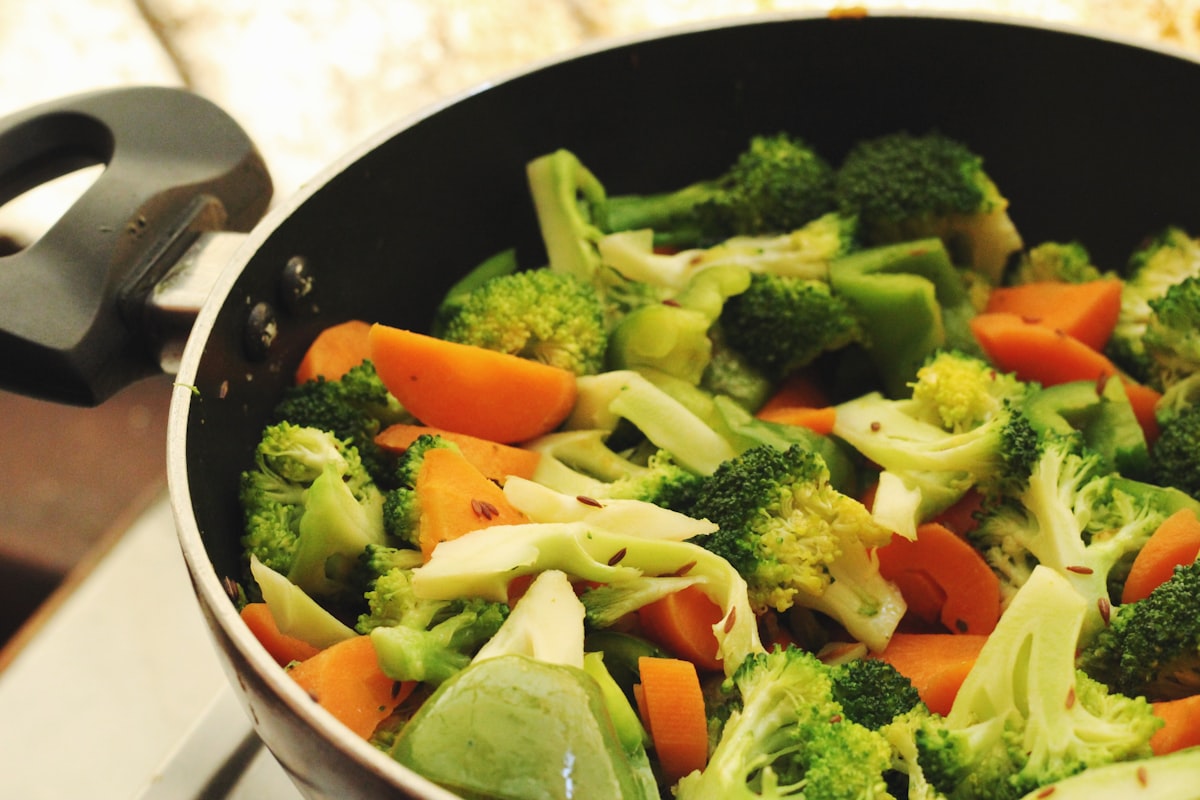
Steamed Broccoli
Vibrant green florets, tender and nutrient-rich. Learn timing and seasoning tips.
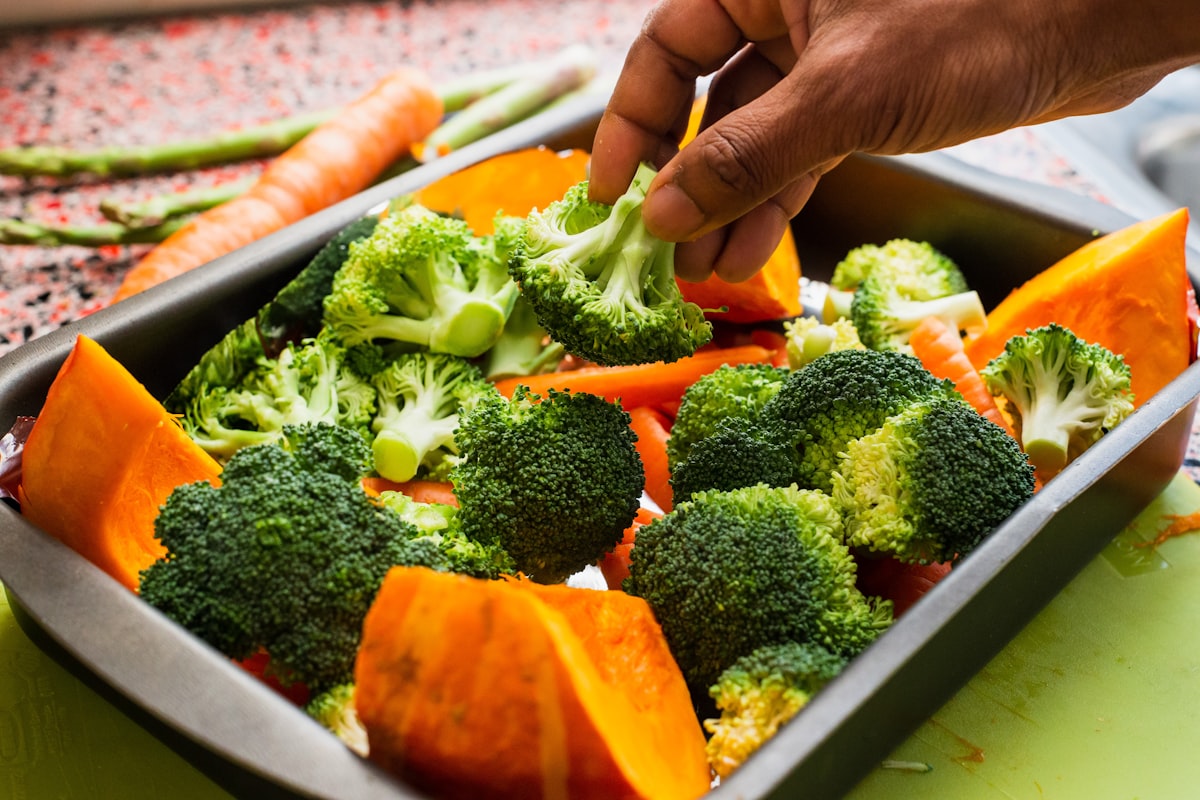
Poached Salmon
Delicate, flaky texture infused with herbs. Omega-3 rich and perfectly moist.
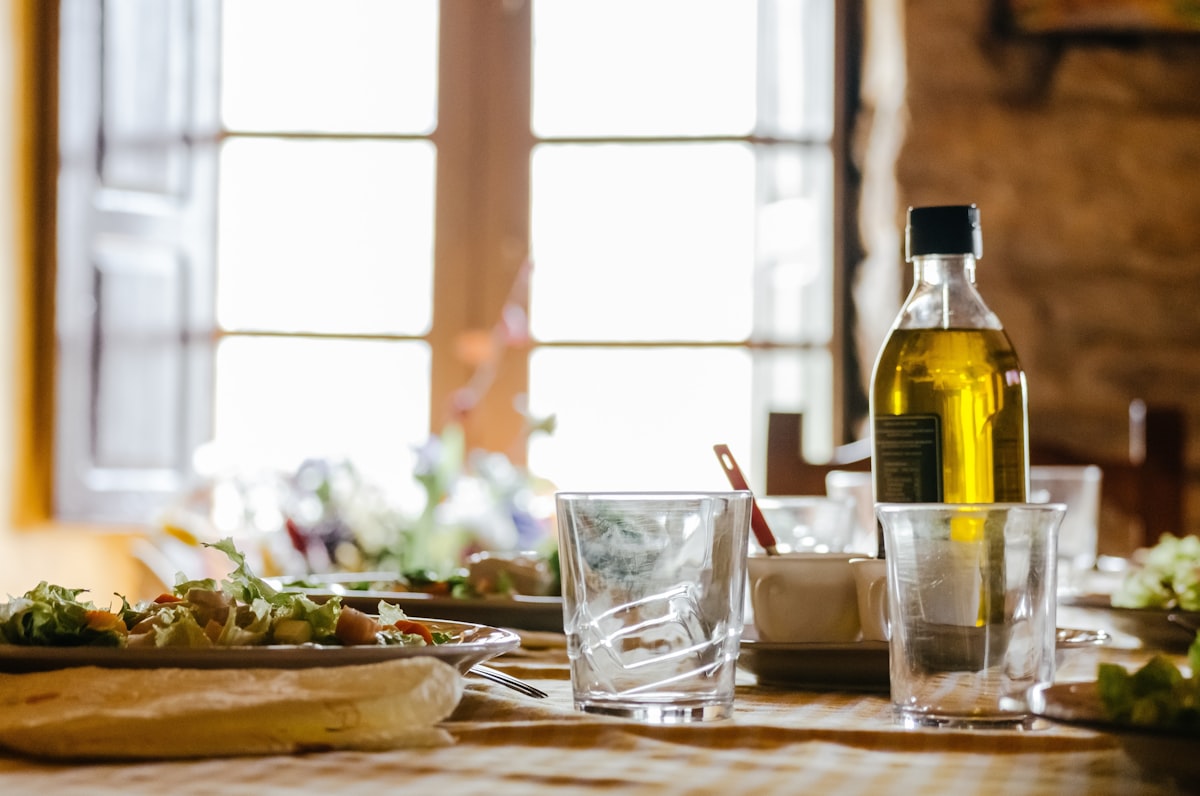
Grilled Vegetables
Charred peppers, zucchini, and eggplant. Caramelised edges, minimal oil.
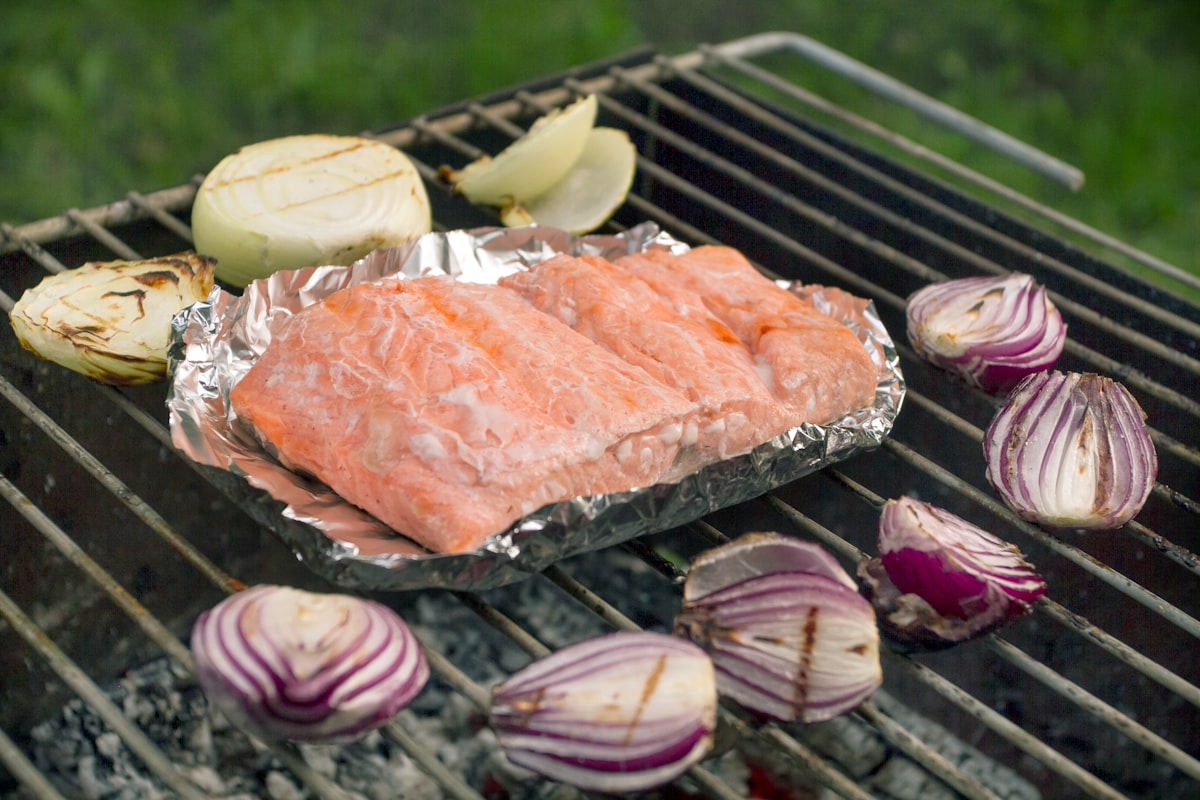
Roasted Root Vegetables
Golden carrots, parsnips, and beets. Sweet, tender, naturally caramelised.
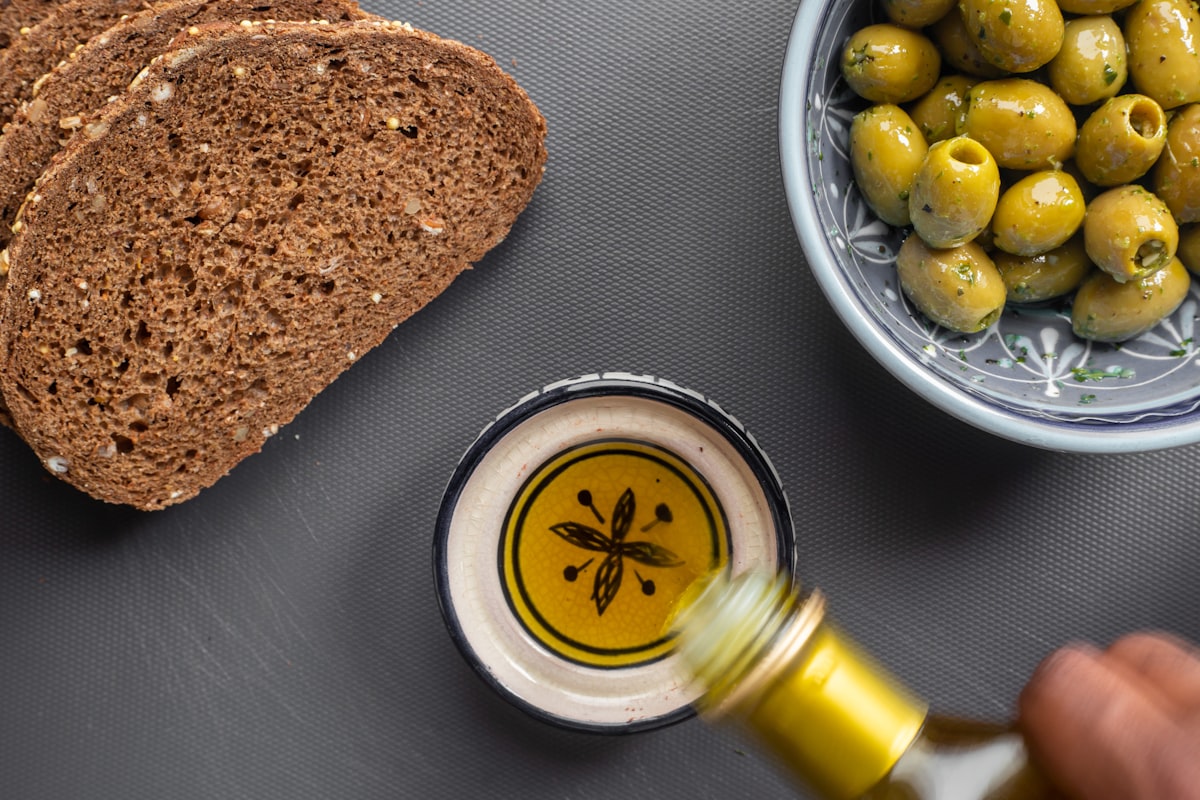
Stir-fried Mixed Vegetables
Crisp seasonal vegetables with a light soy glaze. Quick, healthy, and bursting with colour.
Grilled Salmon with Herbs
Wild-caught salmon fillet, perfectly grilled and topped with fresh dill and lemon.
What Our Community Says
Real stories from people transforming their relationship with food.
"The Cleanplate Method has completely changed how I think about meals. I'm eating better, wasting less, and actually enjoying cooking again."
Sarah Mitchell
London, UK
"I love how practical these recipes are. They fit into my busy schedule and my family actually asks for seconds. Highly recommend!"
James Wong
Manchester, UK
"Finally, a method that doesn't make cooking feel like a chore. The zero-waste approach really resonates with me and my values."
Emma Rodriguez
Birmingham, UK
Frequently Asked Questions
Everything you need to know about the Cleanplate Method.
Is this method suitable for beginners?
Absolutely! The Cleanplate Method is designed for cooks of all levels. Our recipes are clear, step-by-step, and use everyday ingredients you can find at any supermarket.
Can I adapt recipes for dietary requirements?
Yes! Most of our recipes can be easily adapted for vegetarian, vegan, gluten-free, and other dietary needs. We provide substitution tips with each recipe to help you customise meals.
How does the zero-waste approach work?
We show you how to use every part of your ingredients—roots, stems, leaves, and all. Vegetable scraps become stocks, stale bread becomes croutons, and nothing goes to waste.
Do you offer meal plans or shopping lists?
Yes! Our premium membership includes weekly meal plans, printable shopping lists, and seasonal guides to help you plan ahead and shop smarter.
How often are new recipes added?
We add fresh recipes weekly, with seasonal updates to match what's available at your local markets. Subscribers get early access to new content.
Ready to Transform Your Kitchen?
Join thousands of people cooking cleaner, eating better, and wasting less with the Cleanplate Method.